
Industry Insights
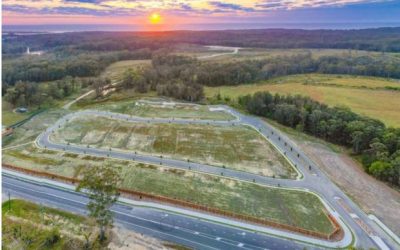
Navigating NSW Planning Reforms
The NSW planning landscape recently underwent its most significant shake-up in years. The New South Wales government enacted sweeping legislative reforms aimed at accelerating housing delivery, streamlining pathways, expanding review and appeal rights and mandating...
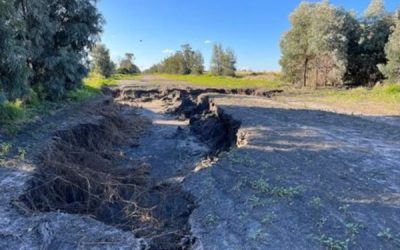
Integrating Climate Resilience into Local Infrastructure
Practical innovations for NSW Councils to integrate climate resilience into local infrastructure. Across New South Wales, local governments are facing increasing pressure to build infrastructure that can withstand a future shaped by more intense rainfall, rising...
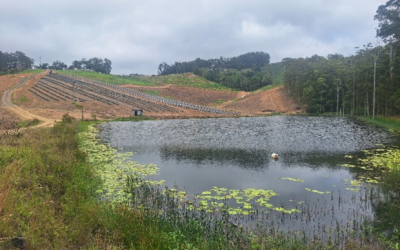
Water Management in Intensive Agriculture
Water is a precious resource for Australia’s agricultural industry as well as our unique and diverse ecosystems. Water interactions and use require careful management for our agricultural industry. This is particularly the case when you consider that: Australia is the...
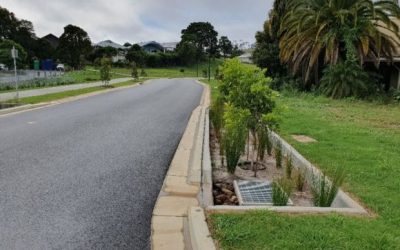
Why your development needs MUSIC Modelling
Local government authorities in NSW require new developments above a specific scale to take measures to reduce stormwater pollutant runoff during rainfall events. While each Council across NSW has different requirements, the go-to tool for Councils to assess the...
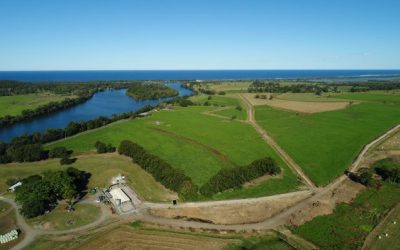
Wastewater Management Services for Agriculture
Ensuring a sustainable and efficient Agricultural Industry Australia’s agricultural industry is a cornerstone of the nation’s economy, contributing to both domestic food supply and international exports. However, aspects of this sector generate considerable volumes of...

Renewable energy in Australia: Current trends and future impact
Australia is undergoing a transformation in its energy sector, shifting towards renewable energy sources. As climate change and sustainability remain ongoing concerns, Australia has been investing heavily in renewable energy to reduce its carbon footprint and work...
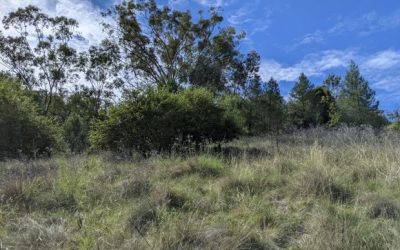
Benefits of engaging a BPAD Consultant
Engaging a qualified and recognised BPAD consultant can bring benefits to your project. Before investing time and money, it may be worthwhile to engage a Bushfire Planning and Design Consultant to help you navigate the complexities of relevant bushfire legislation....

Alternatives to natural tree hollows
GeoLINK Ecologists trial the Hollowhog technique for creating tree hollows. Natural tree hollows are valuable and often essential for many wildlife species. They provide refuge from the weather and predators, as well as providing a safe site for roosting and breeding....
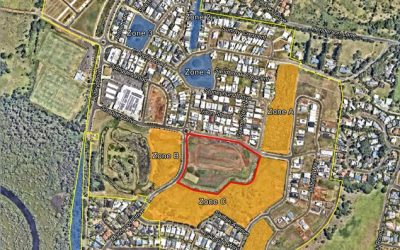
How a GIS Consultant can help your business
GIS Consultants provide your business with expertise in geographic information systems (GIS). It’s a specialised field that uses spatial data and mapping technology to better understand your project’s needs. A GIS consultant plays a pivotal role in merging technology...
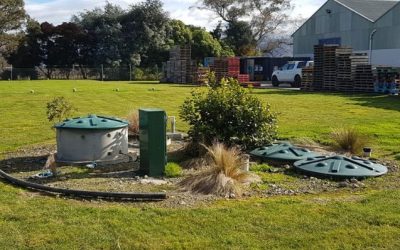
On-Site Sewage Management Assessments
If your property or project is not connected to Council’s reticulated town sewer system, you will need or may already have an On-Site Sewage Management (OSSM) system. It provides efficient storage, treatment and disposal of household wastewater to minimise health...
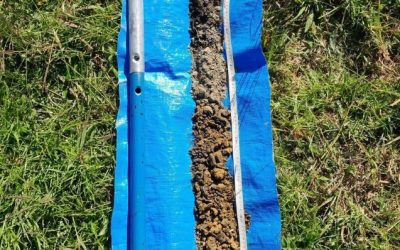
Why is soil mapping in Australia so important?
Soil mapping describes the properties of soils and the landscapes in which they occur. We use these maps to evaluate land for planning, agricultural use or environmental protection. Having accurate and accessible information about land and soil helps us to manage it...
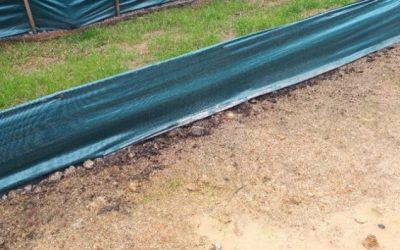
Sediment control fences: do they do more harm than good?
Sediment control fences are seen as a “go-to” solution for construction projects across all scales. But are they stacking up in terms of both performance and the environmental benefits they bring? What is a sediment control fence? Sediment control fences are often...
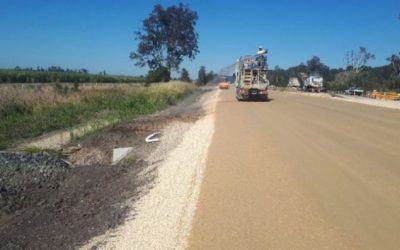
Linear Infrastructure Project Revegetation: lessons learnt
As part of the Woolgoolga to Ballina Pacific Highway Upgrade project, Transport for NSW (TfNSW) were required to undertake extensive revegetation. GeoLINK’s team of environmental scientists and engineers were engaged in several revegetation roles including: Soil...
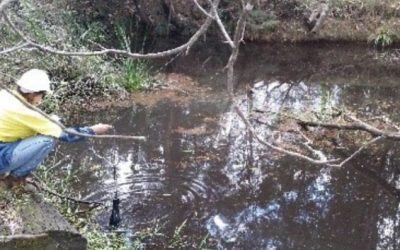
Key factors of a successful water monitoring program
Water monitoring plays a key role in understanding, managing, and minimising the impact a construction project may have on the environment. Water quality monitoring is often required for road works and other large scale infrastructure projects to ensure compliance...
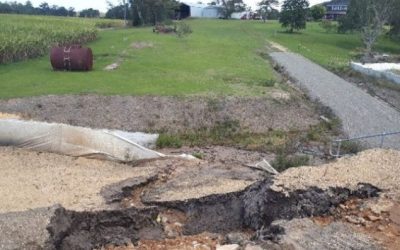
Why use a Certified Professional in Erosion and Sediment Control
Projects and developments face increasing scrutiny to ensure they meet their environmental responsibilities when it comes to erosion management and sediment control. More and more project managers and developers are being carefully watched from both a public and...
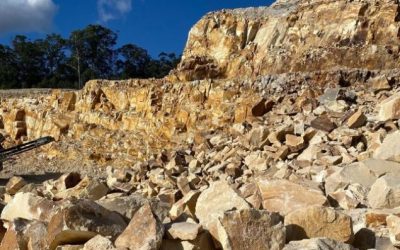
Quarry operations: avoiding illegal operations and hefty fines
Operating a quarry brings with it a host of responsibilities that shouldn’t be taken lightly. Increasing community expectations about environmental impacts are driving greater scrutiny of quarry operations. One aspect that has been of particular focus is ensuring...
State of the Environment Report: what it means for Australians
Australia has faced some significant and devastating weather events over the last few years. Bushfires and flooding have been catastrophic, while temperature extremes are increasing. Most Australians are now recognising that the effects of climate change are being...
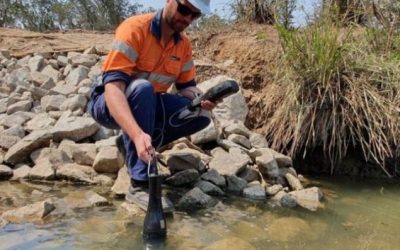
What do you do as an environmental consultant?
Is environmental consulting a good job? Ensuring a sustainable future for us all is essential. Environmental management plays an integral part in reducing our impact on the natural environment and how we protect it for the future. More and more we need to rely on...
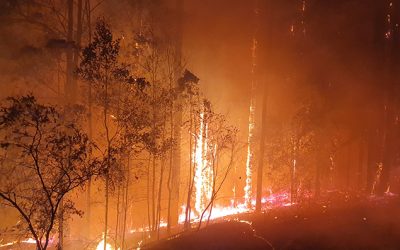
Bushfire hazard assessment: why you need an expert
Navigating the world of bushfire planning can be challenging. If you’re considering a development or activity that needs a bushfire hazard assessment, you’ll save yourself a lot of time and energy by engaging with an expert to help you understand what’s needed....

What are the main benefits of mine site rehabilitation?
Mining in Australia is still big business. Although sights are now firmly set on net zero emissions by 2050, mining, for the time being at least, still makes up a large proportion of the nation’s economy. Minerals began to be produced in Australia in large quantities...